Sorrento is a beautiful town perched on a cliff high above the sea with views of Vesuvius and the islands in the Bay of Naples . Use this website to help you plan a visit to this elegant southern Italian resort and find your way to the best beaches and some lovely villages and towns along the Sorrentine peninsula that are perhaps less well known to tourists.

Showing posts with label Food. Show all posts

20260130

Ristorante La Conca

Dine close to the sea at Meta di Spiaggia


To enjoy fresh fish and seafood, good wine, and great views, try lunching or dining overlooking the beach at La Conca Ristorante at Meta Spiaggia, just outside Sorrento.

The restaurant’s menu is based on the catch of the day, so customers are served dishes made from the freshest local ingredients.

You feel as though you are right at the water’s edge on the restaurant’s terrace and can enjoy your seafood and wine while seeing people swimming close by.

La Conca has a reputation for  serving high-quality seafood
La Conca has a reputation for 
serving high-quality seafood
If you are very lucky, you might be able to watch the sun setting on the horizon while having a romantic evening meal.

Ristorante La Conca was opened in 2002 by its owner, Antonio Cafieri, who runs it with his family, helped by a friendly and efficient staff.

The menu is based on Antonio’s reinterpretation of classic Mediterranean dishes, such as antipasto del mare, impepata di cozze (peppered mussels), fritto misto, and polpo (octopus), as well as a good choice of fresh fish.

La Conca’s menu has attracted positive coverage from Gambero Rosso and Osterie d’Italia Slow Food, among others.

Many reviews by diners on line have praised the service, the quality of the food, and the wonderful sunsets they have experienced while enjoying their meals.

Ristorante La Conca is open every day from 12.00 until 15.00 and 19.30 until 23.30.

The beach next to La Conca's terrace
The long expanse of beach known as Meta Alimuri has made the town of Meta, near Sorrento, become a popular seaside resort in its own right.

A short drive, or bus ride, north east of Sorrento, Meta lies between Piano di Sorrento and Vico Equense on the main coastal road going in the direction of Naples.

Via del Mare leads down to the beach from the town, making it accessible by car or bus. There is a good stretch of sand with free access and from the beach there are lovely views across the Bay of Naples.

Meta has a long history of boat building and by the 19th century its shipyards were producing hundreds of boats, with the local women sewing the sails for them in the courtyards of their houses.

Although steamships eventually replaced sailing boats, the shipyards continued to produce the Sorrentine Gozzo, a small sailing and rowing boat that enables the occupant to fish and row at the same time.

It is fascinating to wander through the narrow streets in the historic centre of Meta and see the old houses, with their large courtyards, where boat builders and seafarers lived centuries ago.

Meta has a magnificent church, the Cathedral of Santa Maria del Lauro, which is right in the centre of the town, just off the main road. The town celebrates the Festa of Santa Maria del Lauro every year on 12 September.

The Line A bus from Sorrento to Meta Alimuri will take you close to the beach, or you can travel on the Circumvesuviana train to Meta and walk down to the beach from the station. If you arrive by car there is a parking area near the beach.

Ristorante La Conca is to be found at 111 Traversa Alimuri, Meta di Sorrento.

20230609

Spaghetti alla puttanesca

Quick and easy southern Italian pasta dish has a colourful history

Spaghetti alla puttanesca is a tasty dish that is easy to cook at home
Spaghetti alla puttanesca is a tasty dish
that is easy to cook at home
The distinctive aroma and piquant taste of a puttanesca sauce is something I always associate with Naples. It somehow evokes the atmosphere of the city for me because you enjoy the enticing smell of tomatoes and olives cooked in garlic as you pass restaurants hidden behind unobtrusive doors in the narrow streets in the centre.  

There are various theories about how the sauce, which can be served with either spaghetti or linguine, acquired its name. Puttana is the Italian word for prostitute, so it means literally, spaghetti cooked ‘in the style of the prostitute.’

People have speculated that the dish could have been invented to lure men into houses of ill repute, to be served to them while they waited their turn. Or, the prostitutes may have cooked it to eat themselves, because it was quick and easy to make.

Another version is that pasta cooked alla puttanesca was convenient for married women to make so that they could spend less time in the kitchen and more time with their Neapolitan lovers.

The sauce began to crop up on restaurant menus under various names in the 19th century and the ingredients would vary slightly, according to the area of Italy.

There was a reference to the dish in a 1960s Italian novel when one of the characters says: ‘Spaghetti alla puttanesca, like they make in Siricusa’. In Sicily, the sauce is referred to as spaghetti alla siciliana and has green peppers added to it.

Most Neapolitan cookery books do not suggest adding anchovies to the sauce, but In Lazio, where they also claim it as their own, puttanesca sauce contains chopped anchovies.

It has also been claimed the sauce was invented at a restaurant on the island of Ischia out in the bay of Naples. A group of customers arrived late in the evening when the restaurant had practically run out of ingredients. The customers asked the owner just to give them what he had left, so he quickly made a sauce using four tomatoes, two olives and some capers and garlic, to serve with their spaghetti.

You can use either fresh or tinned tomatoes to make spaghetti alla puttanesca. If you want to make the Neapolitan version, you should fry some garlic in olive oil, add the tomatoes, capers, black olives, and parsley and let it simmer for about ten minutes while the spaghetti is cooking. 

I sometimes add a couple of chopped anchovies and a pinch of dried oregano to it, just because I enjoy the taste. Buon appetito!


Home


20230207

O’Parrucchiano

Sorrento restaurant where culinary secrets of former priest still delight diners

O'Parrucchiano has been serving diners on Sorrento's Corso d'Italia since 1868
O'Parrucchiano has been serving diners on
Sorrento's Corso d'Italia since 1868
One of the longest established restaurants in Sorrento, O’Parrucchiano continues to serve high-quality, traditional Sorrento dishes in a magical setting, despite being right in the centre of the resort.

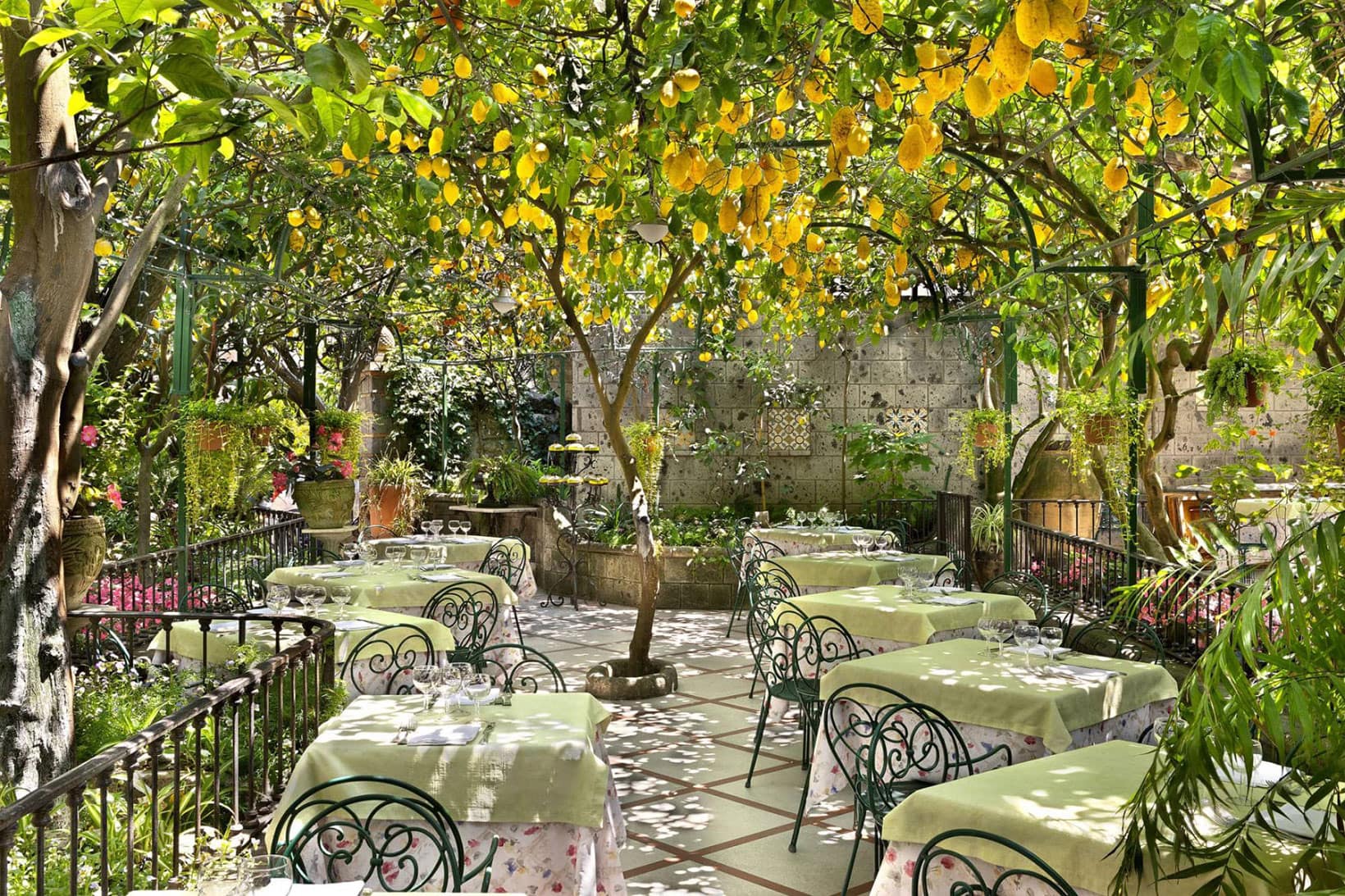
Although O’Parrucchiano is just off the busy Corso d’Italia, you feel as though you are in a citrus grove as you sit on the glass-covered dining terrace, surrounded by a garden filled with lemon trees.

O’Parruchiano was originally named La Favorita when it first opened as a tiny trattoria in just two rooms, a few metres away from Sorrento's Duomo, in 1868. The founder, Antonio Ercolano, had learnt the art of cooking while working for the Archbishop of Sorrento.

Because of Antonio’s past connections with the priesthood, he gained the nickname of ‘o’parrucchiano’, which in Neapolitan dialect means, parish priest.

The restaurant became famous for its cannelloni, which Antonio originally named strascinati when he first created the dish more than 100 years ago. Cannelloni did not appear on the menus of other restaurants until well into the 20th century.

Diners on O'Parrucchiano's upper terrace feel like they are eating in a lemon grove
Diners on O'Parrucchiano's upper terrace
feel like they are eating in a lemon grove
Antonio bequeathed his restaurant to his young nephew, Giuseppe Maniello, after teaching him all his culinary secrets. Giuseppe then enlarged the original trattoria and helped it to become more widely known.

O’Parrucchiano was invited to be included in the Association of Historical Places of Italy and it has been featured in magazines and newspapers in many different countries. In 1958, it was awarded the title ‘Excellent Kitchen’ by the Academy of Italian Cooking.

Over the years, many famous people from the worlds of art, culture, entertainment, and sport have dined there.

Giuseppe’s son, Enzo has since taken over the running of the restaurant, and is helped by his two sons, Giuseppe and Mario, who represent the fourth generation of the family of the founder, Antonio.

The restaurant has a botanical atmosphere throughout
The restaurant has a botanical
atmosphere throughout
O’Parrucchiano’s two spacious dining rooms, furnished with statues, amphorae and other family heirlooms, provide the perfect setting for diners to enjoy the wide selection of Sorrentine specialities on the menu.

You can start with some local seafood and fish antipasti dishes. For primo piatto, you can choose between the famous cannelloni del centenario, gnocchi alla Sorrentina or risotto alla pescatora, among the many other pasta and rice dishes on offer.

For secondo piatto, you have the choice of scallopina alla sorrentina, maiale di Avellino, pesce all’acqua pazza or alla brace, and alici locali as well as many more tempting dishes, which are served with the tomatoes, lemons, vegetables and herbs that provide the authentic aromas and flavours of the Bay of Naples. Buon appetito!


Home


Booking.com

20200517

Pizzeria Da Franco Sorrento

Sample a Sorrentine pizza with a crispy base


To enjoy the authentic Neapolitan pizzeria experience while staying in Sorrento, look no further than Da Franco, which is handily located right in the centre of the resort in Corso Italia.

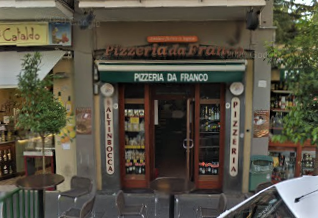
Pizzeria da Franco, at Corso Italia 265, is just around the corner from the Circumvesuviana station and stays open late
Pizzeria da Franco, at Corso Italia 265, is just around the
corner from the Circumvesuviana station and stays open late
(Picture: instantstreetview.com)
You sit at long wooden tables and the pizza is served in a tin tray, but many reviewers agree that the pizza is of excellent quality. There is a long list to choose from and also a selection of antipasto dishes. The drinks are reasonably priced as well.

Italian dishes often have regional variations and the Sorrento pizza is said to have a slightly crispier base than the Naples pizza. You will see many local Sorrento people enjoying the food in the pizzeria, or queuing for take-aways, which is always an encouraging sign.

Da Franco also has long opening hours, serving pizza all day and remaining open till two am.

This is helpful for travellers arriving in Sorrento in the middle of the afternoon after some restaurants have closed after lunch, or very late in the evening when you might struggle to get a meal in a restaurant.

You could, of course, take the Circumvesuviana and travel all the way to Naples to visit Pizzeria Brandi, where it is said Pizza Margherita was invented, to experience the atmosphere of a traditional pizzeria.

But for Sorrento holidaymakers, Pizzeria da Franco offers an excellent alternative.

It is on the right hand side of the Corso as you head towards Sant’Agnello, at number 265, just after the turning that takes you to the Circumvesuviana railway station.

Home

20200219

Il Pozzo Ristorante Sorrento

 Restaurant has served Sorrentine specialities since 1967


In the heart of the historic centre of Sorrento, this excellent restaurant, Il Pozzo, has been serving typical Sorrento dishes to locals and visitors for more than 50 years.
Il Pozzo is on the corner of Via Tasso

Il Pozzo is in Via Tasso, which is a turning off Corso Italia opposite the Duomo. The restaurant at number 32 serves all the popular, local specialities, using the freshest possible ingredients, such as fish caught from the bay earlier that day.

Pizze are cooked in the restaurant’s wood fired oven and many of the pasta dishes use fresh pasta made by hand. For example, there is the scialatielli ai frutti di mare, which is a dish made from hand cut strips of pasta served with a sauce of seafood and tomatoes.

The restaurant is particularly renowned for its gnocchi alla sorrentina, small potato dumplings served with a rich tomato sauce with mozzarella and basil, finished off in the oven.

Il Pozzo, which means ‘the well’, has tables outside under an awning and a spacious room for dining inside with air conditioning.

Delicious gnocchi alla sorrentina
During the winter Il Pozzo is open from 12.00 to 15.00 and from 18:00 to 24:00. During the summer the restaurant is open from 12:00 to 24:00. Its closing day is Wednesday.

To book telephone +39 081 8774876 or email info@ilpozzoristorante.it 

To look at the menu visit www.ilpozzoristorante.it


20191012

Gnocchi alla Sorrentina


Enjoy the flavours of Campania back home


Named in honour of the beautiful resort of Sorrento, this tasty primo piatto (first course) on many restaurant menus is also easy to make at home.

The sauce for the gnocchi is created from a wonderful blend of three of Campania’s most celebrated ingredients, flavoursome, red tomatoes, piquant green, basil leaves and creamy mozzarella cheese. When the cheese melts into the tomato sauce covering the gnocchi, it binds everything together to create a satisfying, but simple dish.
Tasty Gnocchi served Sorrento style

The gnocchi di patate (potato dumplings) can either be home made, following the recipe given below, or bought fresh or vacuum packed from a supermarket.

Gnocchi di patate were supposedly introduced into the Italian culinary repertoire after the Treaty of Campoformio was signed by France and Austria in 1797 at Campoformido, a village to the west of Udine in Friuli.

Venice was thereafter given over to Austrian rule and, along with the gnocchi di patate, Austrian beer and sausages were also added to the Italian menu at this time.

In Sorrento, you can try Gnocchi alla Sorrentina in the heart of the historic centre at Ristorante Il Pozzo in Via Tasso, where they are finished off by being baked in a wood fired oven.

Or, you can enjoy a sea view while you sample them down at Marina Grande at Trattoria da Emilia, a restaurant that was established by Donna Emilia in 1954. They are on the menu as Gnocchi della Mamma and are cooked to Donna Emilia’s original, traditional Sorrento recipe. They taste delicious when enjoyed while sitting at a table on Da Emilia’s wooden deck, suspended over the sea with the waves lapping against it.

But when you return from Sorrento to colder weather back home, piping hot Gnocchi alla Sorrentina are wholesome, comforting and a wonderful reminder of your holiday.

Recipe for two people:

To make the sauce, fry two chopped cloves of garlic in olive oil and add 500g of peeled, deseeded and chopped tomatoes, or the contents of a 400g can of tomatoes put through a sieve. (If using fresh tomatoes, sieve the mixture after cooking.} Add a pinch of dried oregano, a few fresh basil leaves torn into shreds and season to taste. When the sauce is smooth and reduced, set aside.

To cook the gnocchi, add as many as you require, (about a dozen per person for a first course) to boiling salted water and they will be cooked when they rise to the surface. 

Divide the cooked gnocchi between two, warmed oven proof dishes. Reheat the tomato sauce, adding a drop of olive oil or water if required, and pour over the gnocchi. Cut a mozzarella cheese into cubes and share the cubes between the two dishes and add a good grating of Parmesan cheese to each dish. Finish off in a hot oven for 10 – 15 minutes until the cheese forms a golden crust. Serve immediately, garnished with fresh basil.

To make your own gnocchi, boil 500g of white potatoes in their skins, then peel and mash them. Mix in 200g flour and one egg yolk into the mash. Knead together to make a ball of dough. Take small balls, one at a time and work them with your hands into sausage shapes and cut into two cm pieces. Roll them in flour and press against a fork to give them grooves, which will help the sauce to cling to them.


Buon appetito!

20190919

Ristorante Pizzeria Da Gigino

Traditional family-run Sorrento restaurant


In the historic centre of Sorrento, Ristorante Pizzeria da Gigino has been serving up Sorrento’s speciality dishes to locals and visitors alike since 1965.

The restaurant is now run by Ciro and Nino Esposito, but the food they serve has been cooked by generations of their family before them.
Inside Ristorante Da Gigino

If you enter Via San Cesareo from Piazza Tasso, turn into Via degli Archi, the first street off to the right, and at number 15 you will see diners sitting at tables outside the restaurant enjoying the traditional dishes on offer.

You can also choose to eat inside the spacious restaurant where you will be able to choose from an extensive menu.

Da Gigino specials include insalata di mare con bruschetta (seafood salad served with bruschetta), scialatielli alla pescatora (home made pasta with sea food), gnocchi verdi con gamberi, (green gnocchi with shrimps) or grigliata di pesce con insalata (mixed grilled fish with salad).

There is a good selection of antipasti featuring locally caught fish, home made pasta dishes with a variety of sauces using fresh San Marzano tomatoes and a good choice of pizze made in a wood fired oven.

There are plenty of main courses also featuring the local fish, but the restaurant also offers beef, veal and chicken dishes, with a good choice of contorni, (vegetable dishes) to accompany them.

They serve a range of local wines and wines from other parts of Italy as well.

The restaurant takes its name from the original owner, Luigi Esposito, who was always known as Gigi, and Gigino in Italian means ‘little Gigi’.

Try Da Gigino for yourselves and Buon Appetito!


20190905

Casa Correale Sorrento


Grand house has stunning tiled courtyard


One of the finest collections of old majolica tiles in Sorrento can be seen in Casa Correale, an 18th century mansion in Piazza Tasso that is now being used as a shop.
The tiled wall of the inner courtyard

The friendly staff working in the sales outlet for Fattoria Terranova are happy for visitors to go inside to view the stunning wall decorated with majolica tiles in the courtyard of the house.

Although the Correale family are believed to have owned a house on this site in the 15th century, the current mansion, on the corner of Piazza Tasso and Via Pietà dates from the middle of the 18th century.

The elegant doorway is constructed of local stone and you can go through a passageway into a courtyard to see an old majolica tiled mural depicting architectural and agricultural scenes, believed to be the work of craftsmen from Chiaia in Naples.

The date of 1768 above the entrance door refers to the time the original house was transformed into the elegant residence we see today.
The entrance from Piazza Tasso

The shop sells olives, oils, herbs and liqueurs produced at Fattoria Terranova in Via Pontone in Sant’Agata su Due Golfi, a town outside Sorrento along the peninsula.

The land was given to the Correale family for them to farm by Neapolitan Queen Joanna of Anjou in the 15th century. They employed local people to do the work and a descendant of one of those families, Claudio Ruoppo, now runs the business with the support of his wife and children. For more information visit www.fattoriaterranova.it 
.


20190307

Porta Marina Grande – the Greek Gate

Sorrento’s architectural gem


The oldest surviving example of Greek architecture in Sorrento is Porta Marina Grande, usually known as the Greek Gate, which has hardly changed since it was built there by the Greeks when they ruled Sorrento in the fourth century BC.

Sorrento's Greek Gate, built in the fourth century BC, is
also known as Porta Marina Grande
Originally, the gate would have been under a tower and when it was built it probably provided the only access to the city from the sea. Together with a gate built later at Marina Piccola, which no longer stands, it would have been the only outlet for trade with neighbouring cities before the Roman era.

The Greek Gate was incorporated into the 16th century walls built to protect Sorrento from pirates but, sadly, it was the way by which Turkish pirates entered the city on 13 June 1558 when, according to legend, the gate was opened to them by a slave working for the Correale family.

The gate was built in regular rows of blocks of stones and has two archways. You enter through the first and exit through the second archway to walk down the steps into Marina Grande.

The gate blends perfectly with the walls on either side of it and the traditional fishermen’s houses. When you emerge from the passageway into the sunshine you will have a stunning view of the sea and the beach of Marina Grande

The passage through the walls at the Greek Gate opens on to a view of fishing boats bobbing on the sea
The passage through the walls at the Greek Gate opens
on to a view of fishing boats bobbing on the sea
Somewhat confusingly, it is Marina Piccola - the 'small' marina - where large boats dock and hydrofoils from Naples, Ischia, Capri, Positano and Amalfi arrive and depart.

Marina Grande - the 'big' marina - has the feel of a small fishing village that has remained unspoilt over the years and is well worth a visit as there are plenty of restaurants that serve fresh fish.

When you reach the beach you will be greeted by the sight of brightly painted bathing huts along a platform over the sea and lines of small fishing boats and pleasure boats on the beach.

You may even see fishermen among them mending their nets as fishing by traditional methods is still an important part of Sorrento ’s economy.

There are also a few shops, bars and restaurants at Marina Grande but, despite receiving many visitors, there is a homely atmosphere where everyone knows everyone else because the same families have lived there for generations.

Home

20140908

Bar Ercolano

Pause for a break at historic Sorrento bar

At the heart of all the action in the middle of Sorrento, Bar Ercolano is open from early in the morning till late at night and is a great place to visit for a drink or a snack.
Sheltered under awnings at one end of Piazza Torquato Tasso, Bar Ercolano serves, coffee, wine, beer, ice-cream and a good range of snacks.
Bar Ercolano is at the hub of things in Piazza Tasso
You get fast and efficient service from the waiters and complimentary nibbles are served with your drinks. Although there is only a small, green hedge separating the bar from the swirling traffic, it is still a pleasant place to sit and relax when taking a break from shopping and sightseeing.
Many visitors have posted reviews on the internet praising the coffee at Bar Ercolano and recommending it as a great place for people watching.
There is a long history of a bar on this spot. In the 1904 edition of Italy from the Alps to Naples by Karl Baedeker there is a listing for 'Caffe-Birreria Ercolano, Piazza Tasso, opposite the Circolo (club)'.
Bar Ercolano is as much a Sorrento institution as the statue of the poet Torquato Tasso, which is in the garden area opposite, and is a venue for refreshments not to be missed during your holiday.

Home

20130803

Spaghetti alla Nerano

Serve up memories of Sorrento with this authentic pasta dish


Spaghetti with zucchini (courgettes) or Spaghetti alla Nerano is a dish that was born on the Sorrentine Peninsula and tastes best when eaten while looking at the stunning sea views.
Spaghetti alla Nerano cooked to perfection!
But this delicious pasta dish is very simple to make and will conjure up wonderful memories of the bay of Naples and the holiday you enjoyed there, wherever in the world you serve it up.
It is believed to be the invention of a lady called Maria Grazia, the proprietor of Ristorante Maria Grazia down at Marina del Cantone which overlooks the beach below Nerano just a few kilometres south of Sorrento out along the peninsula.
The only ingredient you might find difficult to get when you are away from Italy is provolone or caciocavallo cheese, but you can always double the amount of parmesan that you use instead.
For centuries there was a restaurant on the beach at Marina del Cantone providing meals for the local fishermen.
Ristorante Maria Grazia started up in 1901 and the owners claim to have invented Spaghetti alla Nerano at the beginning of the 1950s.
But you will now find this dish on the menus of the other restaurants at Marina del Cantone and at restaurants in the resort of Sorrento itself.
For four people you will need:
400 gr spaghetti
700 gr zucchini (about four whole zucchini)
extra virgin olive oil
2 cloves of garlic
sea salt
black pepper
100 gr provolone or caciocavallo cheese cut into cubes
100 gr grated parmesan
fresh basil
Cut the zucchini into thin slices and fry in hot oil. Take off heat before they start to burn. Blot dry on kitchen paper, then plunge into boiling water for a few seconds and then drain.
Cook the spaghetti until al dente
Brown the garlic in olive oil in a frying pan. Remove the garlic, add more oil and some sea salt and then add the drained zucchini. Add the spaghetti with a ladle full of the water it was cooked in. Add the cheese and black pepper, mix well and serve topped with leaves of fresh basil. Buon appetito!

Home

20120901

La Fenice serves up Sorrento dishes with style

La Fenice's cool interior

Fresh fish is brought in by boat to Sorrento every day for the dishes offered on the menu at La Fenice ristorante and pizzeria.
Diners can see the impressive variety of seafood available on display by the doorway of the restaurant before they are shown to a table in either the garden or air conditioned interior.
La Fenice has been offering an extensive repertoire of fish dishes and other Sorrentine specialities under the direction of Giuseppe Maresca and Nello Castellano since 1986.
The smart restaurant in Via degli Aranci in the centre of Sorrento is open every day during the summer season, consistently serving high quality food at reasonable prices both at lunch and dinner time.
Scaloppina alla Fenice
Among the primi piatti (first courses) are gnocchi alla sorrentina (potato dumplings with cheese and tomato), linguine alla bella napoli (with seafood) and risotto alla pescatora (risotto with seafood and tomato).
The local, fresh fish is served either cooked in lemon, white wine or fresh tomato sauce.
Other speciality dishes include scaloppina alla Fenice (veal escalope with ham and peas) and involtini alla sorrentina (veal rolls with ham and cheese.) The extensive pizza list includes calzone alla sorrentina (a folded pizza filled with tomato, mozzarella cheese and ham.)
La Fenice is closed on Mondays from the beginning of September each year until the start of the next holiday season.
For more information visit www.ristorante-la-fenice.com

Home

20110914

Eat well in Sorrento

There are many delicious local specialities to try in Sorrento, which has a culinary tradition closely linked with cucina Napolitana (Neapolitan cooking).
gnocchi alla sorrentina
A typical local dish you will find among the pasta dishes served as a primo piatto (first course) is gnocchi alla sorrentina, little dumplings made from potato, egg and flour cooked in a rich tomato sauce with mozzarella and basil.
You will also see spaghetti alle vongole (spaghetti with small clams) and scialatielli ai frutti di mare (fresh pasta strips with shellfish).
Most restaurants serve freshly caught, local fish for the secondo piatto (main course). A typical dish from this coast is pezzogna all’acqua pazza, a delicious white fish cooked with tomato, garlic and parsley.
scialatielli ai frutti di mare
Among other fish dishes you will see are spigola (sea bass) cooked with lemon, marinated or fried anchovies and zuppa di cozze (fresh mussels cooked with tomato).
Of course, Sorrento is a good place to try an authentic pizza, a dish which was born in nearby Naples. The best known is Pizza Margherita (with tomato, mozzarella and basil) invented by a Neapolitan pizza cook, Raffaele Esposito, in honour of Queen Margherita, wife of Umberto 1, King of Italy.
A popular dessert is la delizia al limone (lemon cake covered in cream). Finish off with a small, ice cold glass of limoncello, the popular Sorrento liqueur, thought by Italians to be a good digestivo, aiding digestion.

Salute e Buon Appetito!


Home